
Working as a chef in hospital kitchen
Working as a Chef in a Hospital Kitchen
When was the last time you heard someone crack a joke about hospital food? In the past, hospital meals had a reputation for being bland and tasteless.
Sure, no one expects a four-star restaurant when staying in the hospital, but tasty, nutritious food still plays an important role in patient well-being.
Patients are more informed about nutrition than ever before. They want to know what’s in the foods they eat. Moreover, many people follow restricted diets, including gluten-free or vegetarian. It’s important for chefs’ to meet the needs of these patients.
Everyone knows you should eat a well-balanced meal, and anyone admitted to the hospital assumes the food will be more nutritious than most.
However, if patients don’t like how the food looks or tastes, they won’t eat it. In fact, nearly 51 percent of patients leave most of their food uneaten.
Patients want foods they recognize and crave. Instead of serving unappetizing meals, hospitals should find a way to serve “comfort foods” without the bad ingredients.
While you won’t find a deep fryer in most hospital kitchens, it’s still possible to make palatable and healthier French fries in the oven.
When patients have access to foods they enjoy, they are more likely to get the nutrients they need to make a full recovery.
Hospitals exist to make people better, and hospital food helps prevent malnutrition. However, there’s no reason for hospitals to sacrifice taste when it comes time to serve dinner.
Offering delicious and nutritious food options to patients is one of the best ways to reduce readmission rates and create a healthier community.
What skills do you need to work in a hospital kitchen?
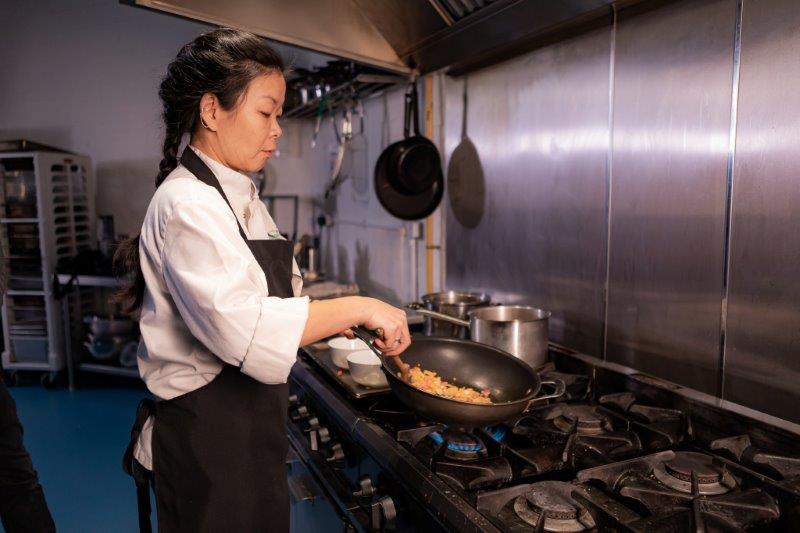
As a hospital chef, you prepare and cook foods following precise recipes that are designed to provide a high-quality nutritional meal for patients to aid their recovery. These national recipes also contribute to efficient spend, ensuring portion control to contributing to the reduction of food waste. A hospital chef ensures that strict food safety standards are followed, ensuring the meals served are safe for consumption.
The duties of a hospital chef include:
Preparing meals to meet the patients’ dietary or cultural requirements.
Providing healthy food that is appealing to encourage patients to eat.
Preparing meals for general Hospital Restaurants and occasional buffet/function requests.
Control of food safety and quality through continuous monitoring of food temperature.
Cleaning of the main kitchen and equipment in accordance with cleaning specifications and hygienic standards as with any commercial kitchen.
Chef Jobs

How does a hospital kitchen run?
For patients staying overnight and longer, there are a wide range of catering services to suit patient needs. Menus should be designed to offer a selection of nutritional meals which cater for all dietary needs. Mealtimes on the wards are protected which means all non-urgent clinical tasks stop for a period of time so that patients can eat their meals in peace, with support if they need it, without being interrupted. Some larger hospitals will also run satellite kitchens and pull meals together in a central hub before being served to patients.
Patients are served three meals a day (breakfast, lunch and supper). Snacks are also provided in between meals and a choice of hot and cold drinks are served throughout the day.
Breakfast is usually a selection of cereals, fruit juice, yoghurts, porridge and fresh fruit, tea or coffee and fruit juice.
The main meal of the day is lunch which generally consists of a nutritious hot meal, a pudding and hot and cold drinks.
The final meal of the day is supper which is usually a sandwich, pudding and again, hot and cold drinks.
What are the shift types in a hospital kitchen?
This depends on the hospital trust in which you work but as the NHS is a national organisation, cooks, chefs and assistants in the NHS work standard hours of around 37.5 a week. They may work shifts including early starts, evenings, nights and weekends.
What type of food do you cook in a hospital kitchen?
Fruit and vegetables: Fruit and vegetables are a great source of vitamins and minerals, including folate, vitamin C and potassium. They also contain dietary fibre, which helps you maintain a healthy gut and can prevent constipation, digestion problems and reduce the risk of bowel cancer.
Protein: It is important to ensure a daily intake of protein because it helps the body maintain and preserve muscle mass and strength as well as repair itself after injury or surgery.
Foods that contain protein come from both animal and plant sources, including beans, pulses, meat, eggs, fish, tofu, chicken and peas.
Fat: Polyunsaturated fats, such as omega-3 fatty acids, found in oily fish, has been shown to help protect against heart disease and may help relieve symptoms of rheumatoid arthritis, benefit joints, grip strength and mobility. Polyunsaturated fats are also found in sunflower oil, sesame oil, flaxseed oil, walnuts and hazelnuts.
Starchy food: Starchy foods such as potatoes, bread, rice and pasta play an important part of a healthy diet and are our main source of carbohydrates. They provide your body with energy and a variety of nutrients including fibre, calcium, iron and B vitamins. Potato skin is particularly rich in fibre.
Fortified and functional food: To ensure a good intake of nutrients and vitamins at old age despite a reduction in appetite and the fact that older people eat less than younger people, you can consume fortified and functional foods.
Fortified food has added nutrients to increase the intake without increasing the amount of food. Enriching the calorie and protein content of food and drink can help you to avoid unintentional weight loss.
Fortified foods can include breakfast cereals with added vitamins and minerals, such as iron, B vitamins and calcium.
What experience do you need to work in a hospital kitchen?
Experience of working in a busy kitchen environment is expected, along with the ability to cook good healthy meals from scratch.
You should hold, as a minimum, a basic food hygiene certificate which of course should be up to date. As you would be working with vulnerable residents, expect a company to ask for a full DBS disclosure.
What are the benefits of a hospital chef working for TCT?
When you join The Chef Tree you will be entitled to the following amazing benefits;
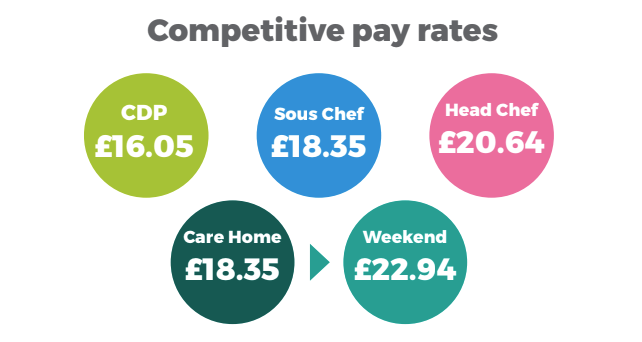
Competitive rates of pay. Our current rate for a Chef is £16ph.
Our Monthly Bonus Scheme – Complete 166 hours per month (just under 38.5 hours per week) and you will receive £100 bonus. This will be paid monthly.
Our Refer a Chef scheme – If you refer a chef to us you will receive £150 when the chef completes 5 shifts. The chef you refer will receive £75 on completion of 5 shifts.
Access to our online benefit partners, Pirkx – A benefit scheme for courses, health, wellbeing, shopping and more! For more information visit: www.pirkx.com
You get to go to different venues, you’re not stuck in the same job endlessly, not boring. You don’t have to go back when you don’t like somewhere and there is a variety of jobs.
Working for The Chef Tree is completely different from being a full-time chef. You choose the hours you want to do, fill in your portal, and everything is arranged around that.
How much does a hospital chef get paid?
According to glassdoor.com, the average hospital chef earns £23,024 pa
What are the benefits of working for TCT?
When you join The Chef Tree you will be entitled to the following amazing benefits;
Competitive rates of pay. Our current rate for a cook is £16ph.
Our Monthly Bonus Scheme - Complete 166 hours per month (just under 38.5 hours per week) and you will receive £100 bonus. This will be paid monthly.
Our Refer a Chef scheme – If you refer a chef to us you will receive £150 when the chef completes 5 shifts. The chef you refer will receive £75 on completion of 5 shifts.
Access to our online benefit partners, Pirkx - a benefit scheme for courses, health, wellbeing, shopping and more! For more information visit www.pirkx.com
Where can you work as a Hospital Chef?
What our Chefs say!
I like working for The Chef Tree because of the freedom and the flexibility
You get to go to different venues, you’re not stuck in the same job endlessly, not boring. You don’t have to go back when you don’t like somewhere and there is a variety of jobs.
Working for The Chef Tree is completely different from being a full-time chef
You choose the hours you want to do, fill in your portal, and everything is
arranged around that
Dont just take our word for it
Dont just take our word for it, This is what our chefs say about working for the chef tree
Registration is quick and easy!
If you're looking for a new chef job and want to start right now then we can help!
Complete the form and we'll call you right back.
Step 1 of 1
Call us: 071 8604 611