
Working as a pastry Chef for the Chef Tree
What is a patry Chef?
A pastry chef is a professional cook or patisserie who prepares desserts and a variety of baked goods, like cakes, pies, tarts, cookies, soufflés, truffles, and chocolates. They may also be responsible for creating a dessert menu in partnership with the executive chef. A trained pastry chef creates a wide variety of desserts and bread from scratch, which are precisely paired with the overall menu. In a kitchen, they may conduct food tastings with the wait staff, assume the role of a supervisor in his or her absence, take inventory, determine food costs, develop menus, and create recipes, and assist with scheduling staff.
Pastry chefs may choose to focus on only one area of baking and pastry, such as artisan breads or wedding cakes. Maybe you have been inspired by television shows like Cupcake Wars or Last Cake Standing and want to create complex desserts. Maybe candy or cupcakes hit your sweet spot, or becoming a chocolatier and opening your own chocolate shop is your goal. Whatever your career aspirations, hands-on training is key.
Types of venue




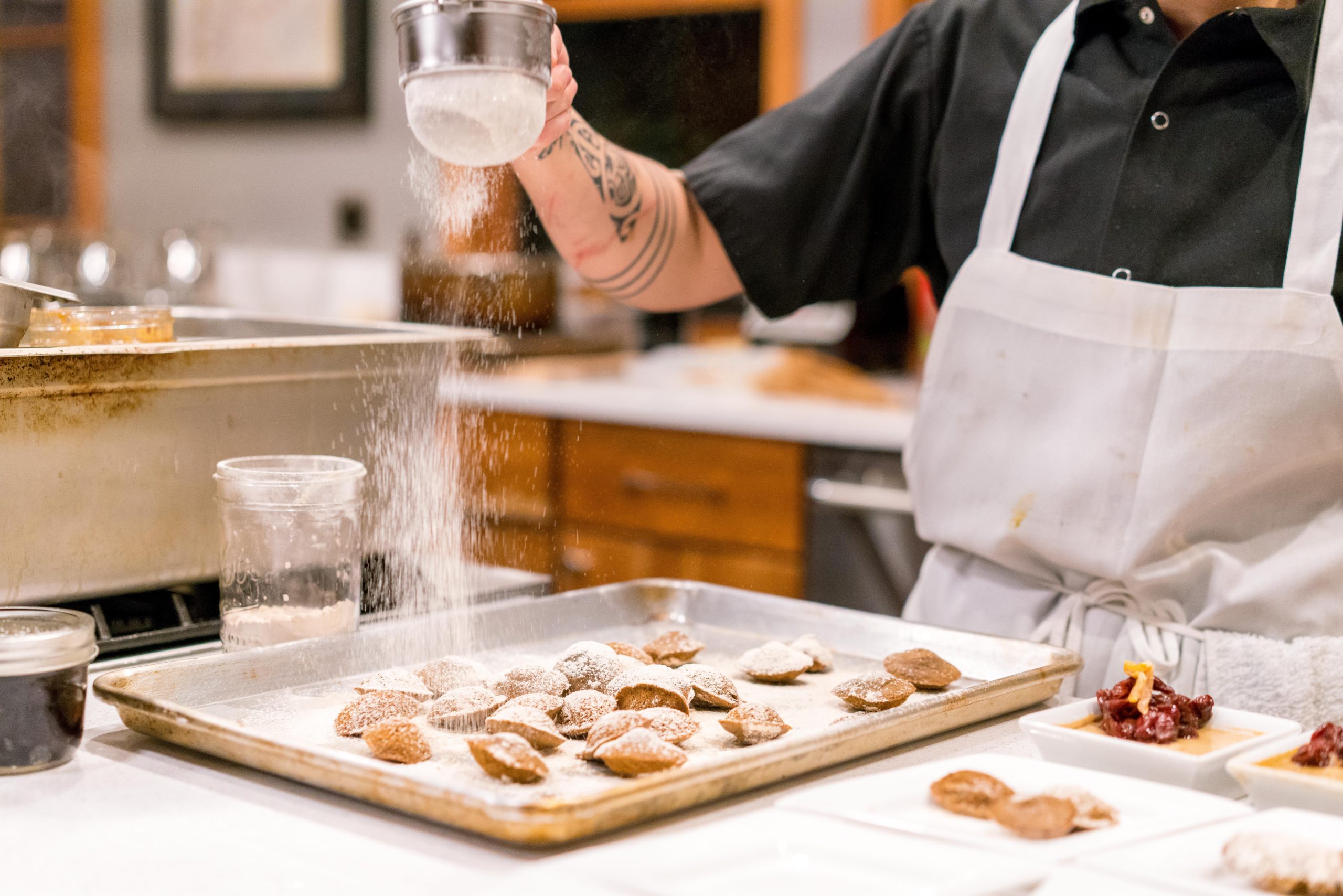
What is the role of the Pastry Chef?
A pastry chef is typically found in a professional kitchen and is the station chef of the pastry department. As with other station chefs, the pastry chef may have other chefs or assistants within their department — bakers may also be members of the pastry department in larger establishments.
Pastry chefs create pies, candies, chocolates, cookies, cakes, ice cream, custards, and bread. They not only create desserts but also order ingredients, keep inventory, deal with wholesalers, and develop new recipes. Pastry chefs that work for large establishments may also be responsible for developing a dessert menu alongside executive chefs.
Some pastry chefs choose to pursue a specific path in the art of bread making — since delicious breads and muffins are a mainstay at luxury hotels and resorts. Within some larger resort properties, bakeries and in-house pastry shops are run by pastry chefs and rival the world’s best specialty bakeries.
Being a pastry chef involves attention to detail. Small changes in a recipe can make a big difference, so pastry chefs need to pay attention to what they are doing, even while performing routine tasks. They also need to have artistic ability and creativity to produce pastries and desserts that look as good as they taste.
The job demands abundant testing and sampling of new creations, which can be both rewarding and delicious.
Some responsibilities of a pastry chef:
-
Creating, testing and evaluating new pastry and dessert recipes
-
Keeping a budget for the pastry department
-
Buying fresh fruits and berries and ordering supplies from various vendors
-
Supervising chefs in training in the pastry kitchen
-
Discuss menu planning with the other chefs in the restaurant
-
Keeping the kitchen organised
What skills does a pastry Chef need?
Understanding of Mise en Place
The most successful bakers in the industry usually know that the process of baking requires careful timing and organization, so having your baking station prepared with everything you’ll need – including all the tools and pre-measured ingredients – is vital. In the industry, this is called “mise en place.”
Let’s say you’re getting ready to mix up a batch of cheddar and chive biscuits. You begin by cutting the butter into the dry ingredients to form those perfect fatty crumbs. However, just as things are looking good, you have to stop for fifteen minutes to chop the chives and shred the cheese. During that time, your butter softens, compromising the biscuits’ flaky texture.
While it may seem like a simple concept, organizing your workspace ahead of time is often the difference between success and failure in the kitchen.
Clear Team Communication
Along with mastering working with yeasted doughs and piping straight lines, communication is a skill great bakers should possess. Whether you’re mixing dough for early morning croissants or putting the finishing touches on petit fours, you need to be able to communicate with your team members.
Along with informing others about what’s happening in the kitchen, you’ll also periodically need to humbly accept criticism and learn from others. After all, even the best bakers know they’re not right 100% of the time.
Attention to Detail
As you may already know, baking is more of a science than cooking. Precise measurements and temperatures are key to achieving that perfect golden caramel or delicate cake crumb.
If you space out for a few moments and add a few extra grams of baking soda or set your oven 25 degrees hotter than the recipe dictates, your baking will suffer. However, this can be easy to do when you’re balancing baking cupcakes, mixing up frosting, and piping chocolate decorations all at the same time.
Creativity with Flavour and Texture
Good bakers stick with the classics. Great bakers are curious, experimenting with new flavour combinations and techniques. Not all of these experiments will end up on the winning side, but successful bakers can see these fumbles as learning experiences rather than failures.
Excellent Hand-Eye Coordination
Top bakers make shaping a seamless boule and rolling out flaky croissants look almost effortless. However, don’t think these are easy skills to master – they require advanced coordination and a thorough understanding of textures.
Even if you know the why and how behind these advanced baking techniques, there may be a gap between your mind and your hands. That’s where practice comes in. While your first or fiftieth croissant may turn out dense and oily, repetition will allow you to inch closer to those perfectly formed flaky layers.
Patience Under Pressure
We can’t stress this enough: baking is a well-planned process and every step is important. That means cutting corners can lead to subpar results.
Sourdough takes half a day to rise properly, so if you get impatient and cut the time in half, you’ll end up with a brick of dough. And a dreamy, cloud-like meringue on top of a cake or cookie adds a beautiful, airy touch, but whisking those egg whites to a stiff peak requires patience.
You get to go to different venues, you’re not stuck in the same job endlessly, not boring. You don’t have to go back when you don’t like somewhere and there is a variety of jobs.
Working for The Chef Tree is completely different from being a full-time chef. You choose the hours you want to do, fill in your portal, and everything is arranged around that.
How much does a pastry Chef get paid?
According to check-a-salary.co.uk, the average wage for a Pastry Chef in the UK is £27,711 pa.
What are the benefits of working for TCT?
When you join The Chef Tree you will be entitled to the following amazing benefits;
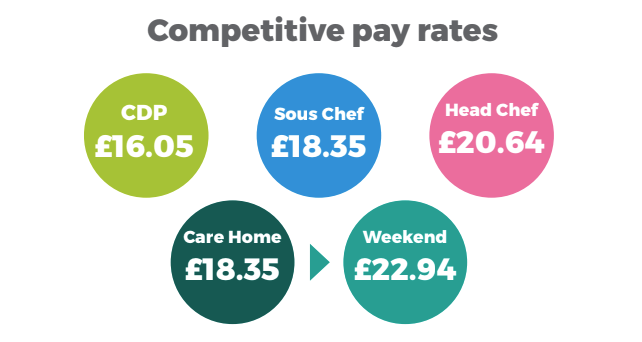
Competitive rates of pay. Our current rate for a cook is £16ph.
Our Monthly Bonus Scheme - Complete 166 hours per month (just under 38.5 hours per week) and you will receive £100 bonus. This will be paid monthly.
Our Refer a Chef scheme – If you refer a chef to us you will receive £150 when the chef completes 5 shifts. The chef you refer will receive £75 on completion of 5 shifts.
Access to our online benefit partners, Pirkx - a benefit scheme for courses, health, wellbeing, shopping and more! For more information visit www.pirkx.com
Where can you work as a HEAD Chef?
I like working for The Chef Tree because of the freedom and the flexibility
You get to go to different venues, you’re not stuck in the same job endlessly, not boring. You don’t have to go back when you don’t like somewhere and there is a variety of jobs.
Working for The Chef Tree is completely different from being a full-time chef
You choose the hours you want to do, fill in your portal, and everything is
arranged around that
Registration is quick and easy!
If you're looking for a new chef job and want to start right now then we can help!
Complete the form and we'll call you right back.
Step 1 of 1
Call us: 071 8604 611